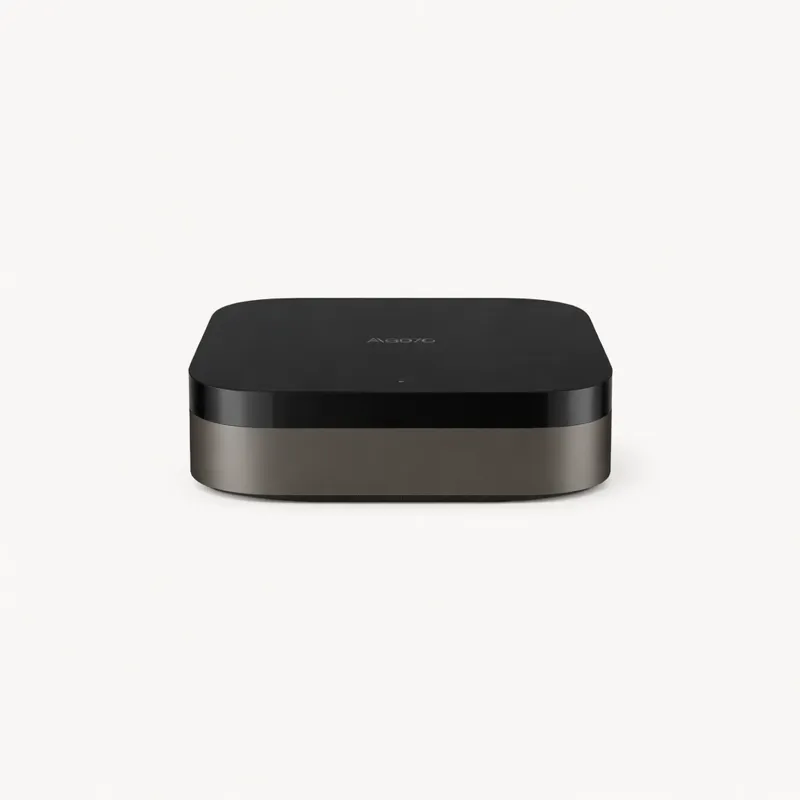
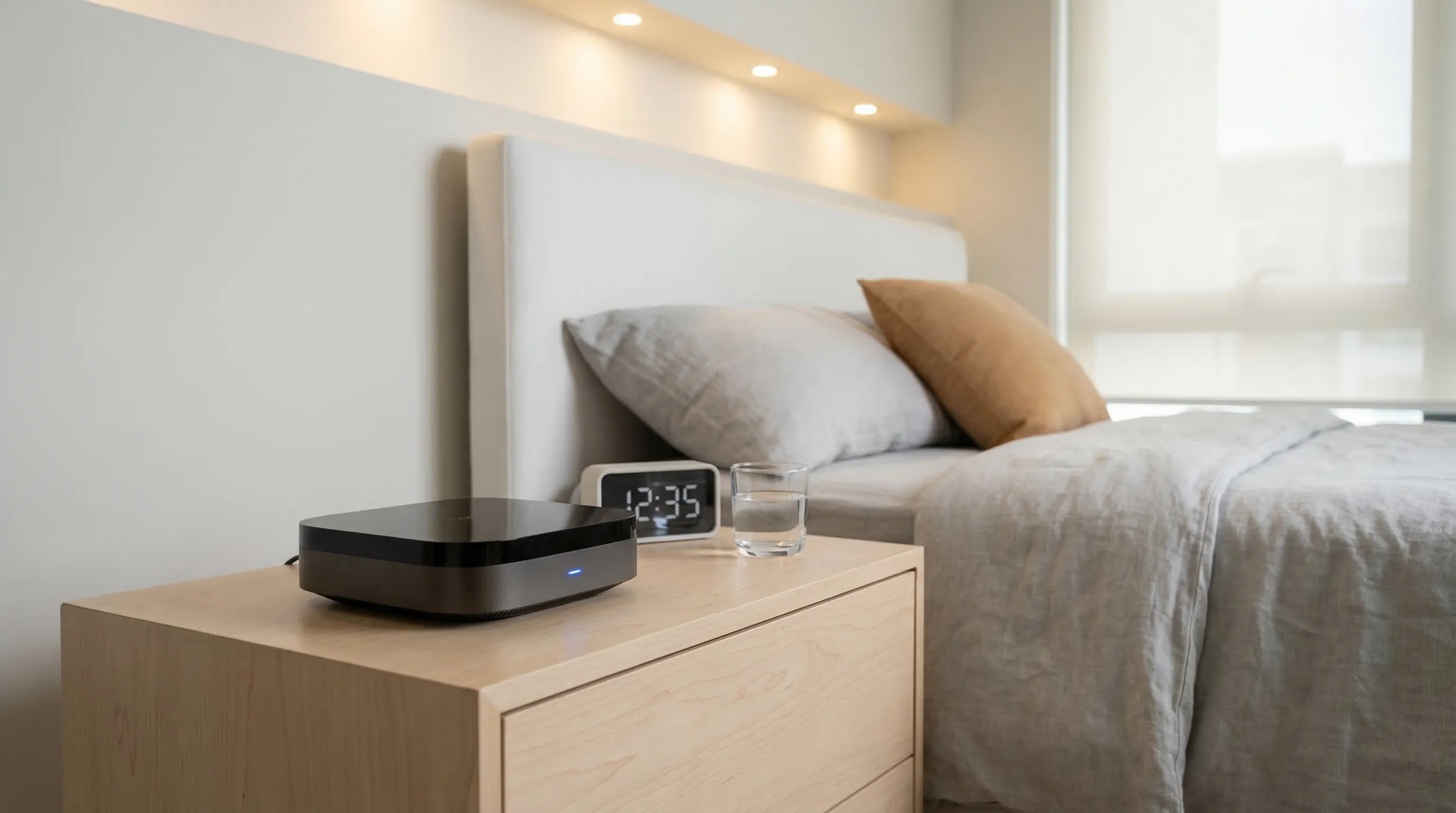
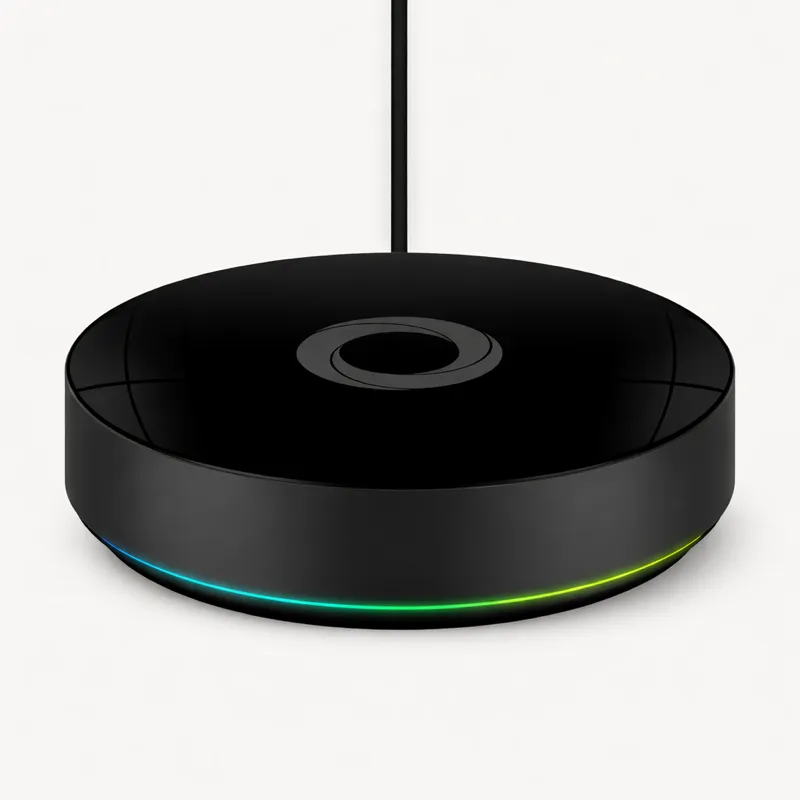
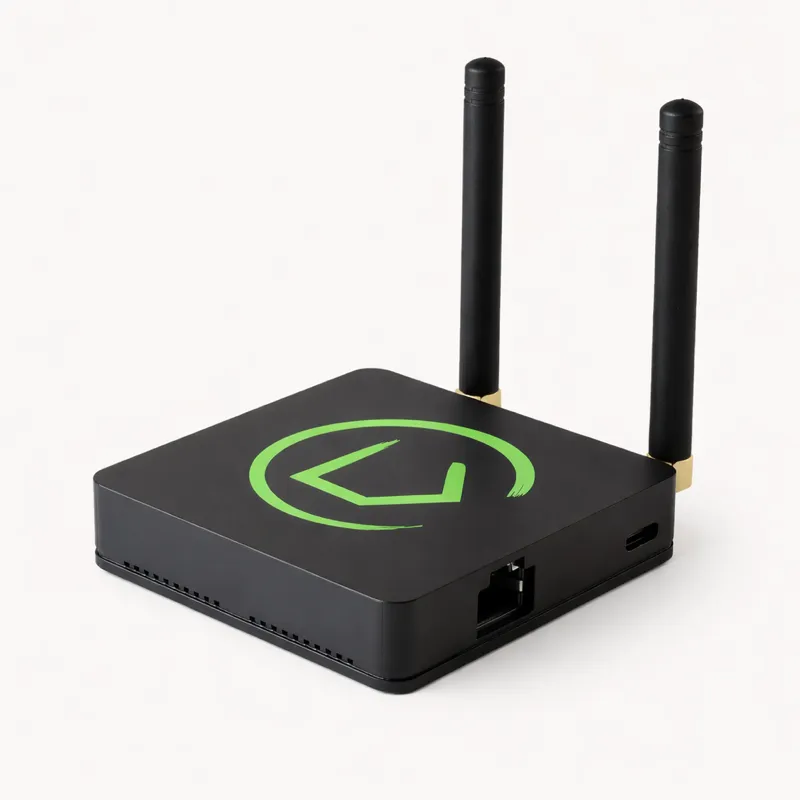
For Apple households, the Aqara Hub M3 is the definitive answer — a hub that combines a Zigbee radio, Thread border router, and full Matter support in a compact, $89.99 package, optimised for deep integration with the Apple Home app, Siri, and HomeKit Secure Video. No other hub at this price point delivers this combination of protocols and Apple ecosystem depth.
The Thread border router is the M3's most forward-looking feature. Thread is the low-power mesh networking protocol underpinning Matter-over-Thread — the implementation that Apple, Google, Amazon, and Samsung have agreed on as the future of battery-powered smart home devices. Running the Hub M3 as a Thread border router means every Thread-capable Matter device you add to your home benefits from the local mesh network, giving it lower latency, better reliability, and longer battery life compared to Wi-Fi-only implementations. As device manufacturers release Thread-capable versions of their sensors and accessories, the border router hardware becomes more valuable without requiring a hub upgrade.
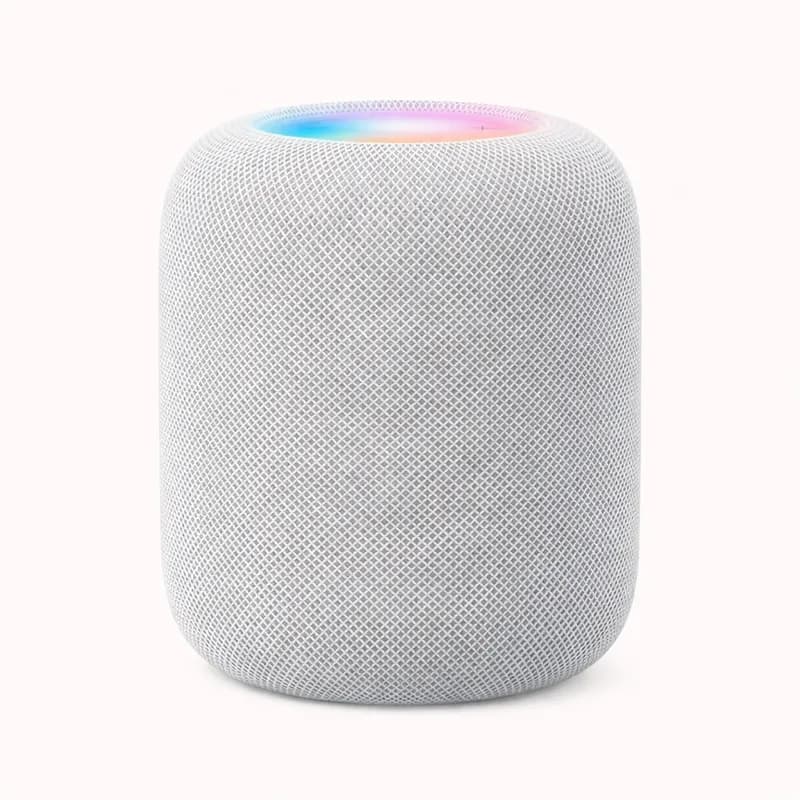
Zigbee support is a direct differentiator versus the Apple HomePod 2nd gen and Apple TV 4K, which are both Thread-and-Matter hubs without built-in Zigbee. The M3 pairs with Aqara's comprehensive Zigbee sensor line — door and window sensors, motion detectors, vibration sensors, smart locks, water leak sensors, thermostats, and cameras — without requiring additional bridges. It also pairs with Zigbee 3.0 compliant devices from other brands, though Aqara's own product library is the deepest and most reliably tested. For Apple users who want affordable, reliable sensors throughout their home, pairing the M3 with Aqara's sensor lineup is the most cost-effective path.
HomeKit integration is native and deep. Every Aqara device paired to the Hub M3 appears automatically in the Apple Home app, responds to Siri commands, participates in HomeKit Secure Video for camera products, and operates within Apple's privacy architecture. HomeKit's local processing model means automations run on-device through the hub rather than through Aqara's cloud — a significant privacy and reliability advantage over Wi-Fi-only HomeKit bridges. For Apple users who care about keeping device activity off third-party servers, the Hub M3's local HomeKit automation processing is an important feature.
The Aqara app itself is well-designed and notably better than many accessories-brand smart home apps. Device setup is guided, automation creation is visual, and the interface is clean enough that non-technical users can configure sensors and scenes without consulting documentation. Amazon Alexa integration is available for households that mix Amazon and Apple devices — the Hub M3 exposes all paired Aqara devices to Alexa, making them voice-controllable without leaving the Aqara ecosystem. Google Home integration is not available natively.
The device library, while narrower than Amazon's 100,000+ compatible products, is comprehensive for the essential smart home categories: entry sensors, motion, climate, locks, lighting, and cameras. The Aqara P2 door sensor — a Matter-over-Thread device — is a standout accessory that exemplifies what the Thread-plus-Hub-M3 combination enables: instant local response from a battery-powered sensor with no Wi-Fi dependency. For a HomeKit-centric setup, the Aqara ecosystem covers the majority of use cases without requiring third-party device research.
The M3's hardware limits are worth noting. No Z-Wave support means smart locks and devices in the Schlage or Kwikset Z-Wave ecosystems will not pair natively — Zigbee-based smart locks from Yale or Nuki are the correct pairing. No independent Google Home support means Android-first households need to use Alexa as an intermediary or run a second hub.
At $89.99, the Aqara Hub M3 delivers value that is difficult to match in the HomeKit category. The Apple HomePod 2nd gen provides a superior audio experience but no Zigbee and costs $299. Apple TV 4K costs $129.99 with Thread border routing but no Zigbee. The M3 at $89.99 is the most protocol-complete Apple-ecosystem hub at any price under $150, and the natural first hub for any iPhone household building a serious smart home.