HomeControlHub

Sector guide

Best Hubs for
Smart Appliances

Updated March 2026HomeControlHub editorial team

From Samsung washers to robot vacuums and smart fridges — everything you need to choose the right hub for multi-brand appliance control, automation, and energy monitoring.

Modern kitchen with smart appliances including refrigerator and robot vacuum

Not sure which setup is right for you?

Answer 8 questions and get a personalized smart home plan with cost estimate and installation roadmap.

Build my plan →

The best entry hub for appliances

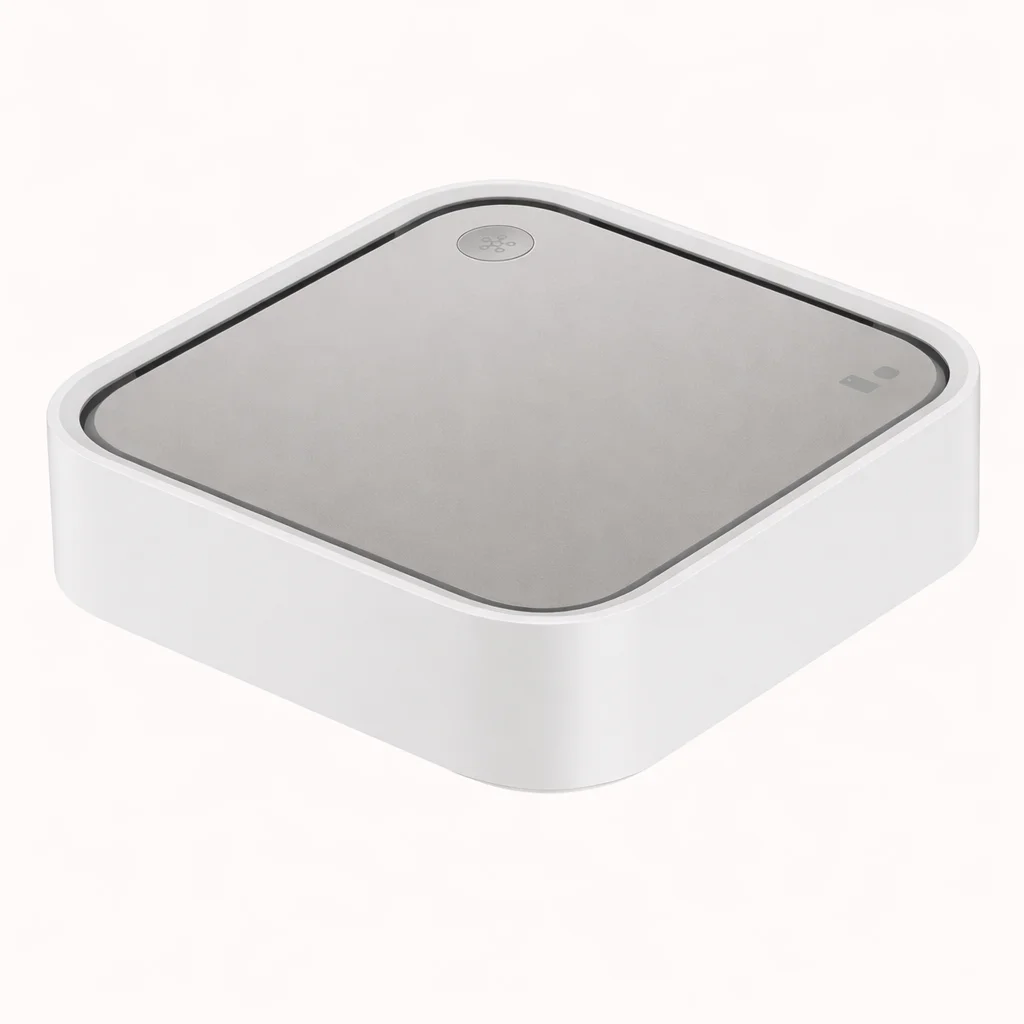
Samsung SmartThings Station

8.9/ 10

$59.99 · Best Hub for Samsung Appliances

Bottom line

Zigbee + Z-Wave + Matter + Thread border router in a $59.99 hub that also wirelessly charges your phone — the most affordable multi-protocol hub on the market, and the best entry point for appliance-first smart homes.

The SmartThings Station packs the full SmartThings multi-protocol feature set into the smallest, most affordable hub Samsung has ever made. For households with Samsung appliances, there is no better starting point.

The Samsung SmartThings Station is the entry point the SmartThings platform needed. At $59.99, it combines a Zigbee coordinator, Z-Wave controller, Matter hub, and Thread border router with a 15W Qi wireless charging pad on top — a hub that earns its counter space by doing double duty charging your phone overnight.

For Samsung appliance households, the SmartThings platform integration is unmatched. The SmartThings app provides native control of Samsung Family Hub fridges, SmartThings washer and dryer pairs, dishwashers, and ACs — not through third-party cloud bridges, but via Samsung's own direct integration. When the wash cycle finishes, you get a push notification. When the fridge door is left open, an alert fires. When you leave home, a departure automation can start the dishwasher, lock the front door, and turn off every light simultaneously.

The 5,000+ third-party device library means the SmartThings Station reaches well beyond Samsung hardware. Zigbee locks (Schlage, Yale), Z-Wave sensors (Fibaro, Aeotec), Matter light bulbs (Nanoleaf, Eve), and Thread temperature sensors all pair directly. For the price, no competing hub offers this breadth of protocol support and device compatibility.
Pros

  • Full Zigbee + Z-Wave + Matter + Thread border router in a $59.99 device
  • Native Samsung appliance integration — washers, fridges, dryers, dishwashers, ACs
  • 15W Qi wireless charging pad built in — the hub earns its counter space
  • 5,000+ compatible third-party devices across all major protocols
  • No subscription required for core smart home functionality

Cons

  • SmartThings app complexity can frustrate new smart home users
  • Non-Samsung appliance integrations use cloud bridges — less reliable than native Samsung
  • Z-Wave controller limited to 232-device network per hub
Samsung SmartThings Station specifications
ConnectivityZigbee, Z-Wave, Matter, Thread (border router), Wi-Fi, Bluetooth
Voice AssistantsAlexa, Google Home, Bixby
Samsung AppliancesNative integration — washers, fridges, ACs, dishwashers
Max Devices5,000+ compatible (Zigbee/Z-Wave/Matter/Wi-Fi)
Monthly FeeNone
Back to top
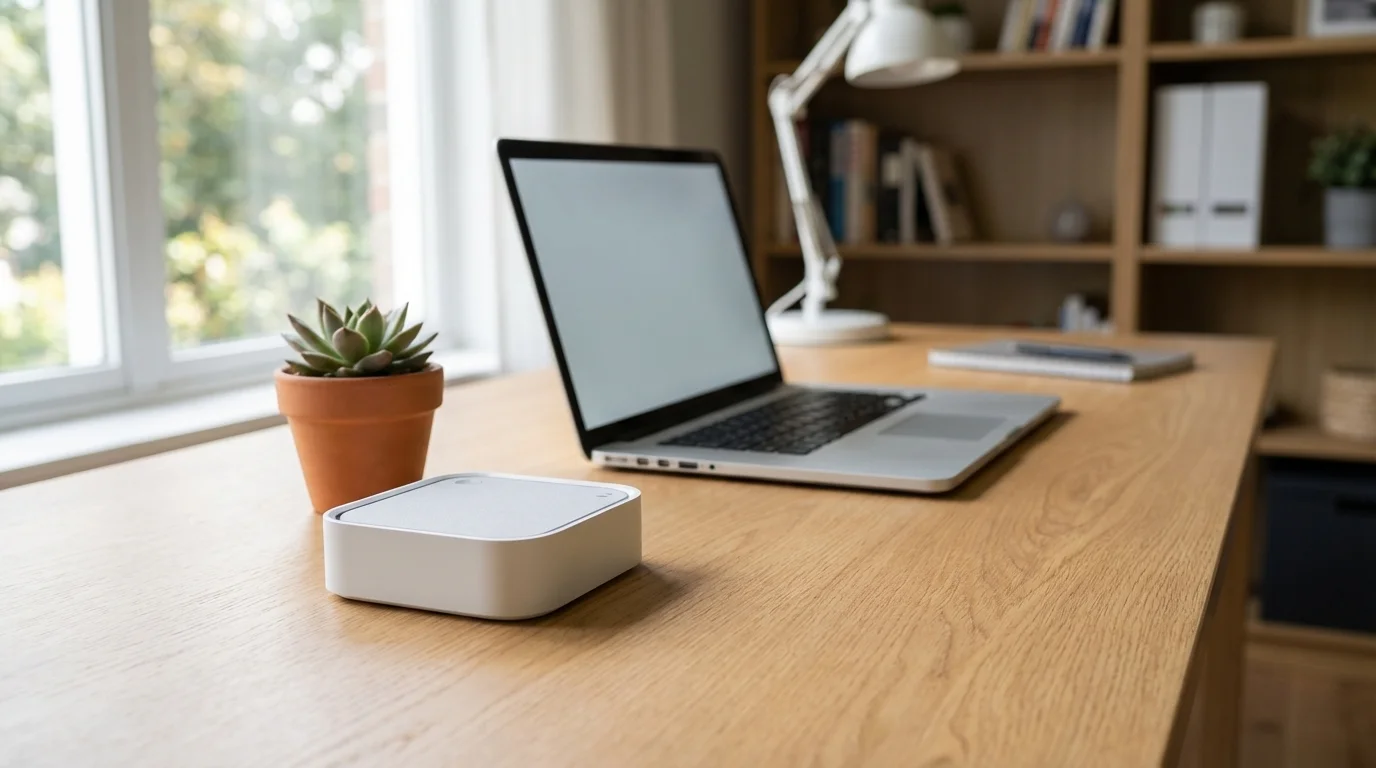
Samsung SmartThings Station
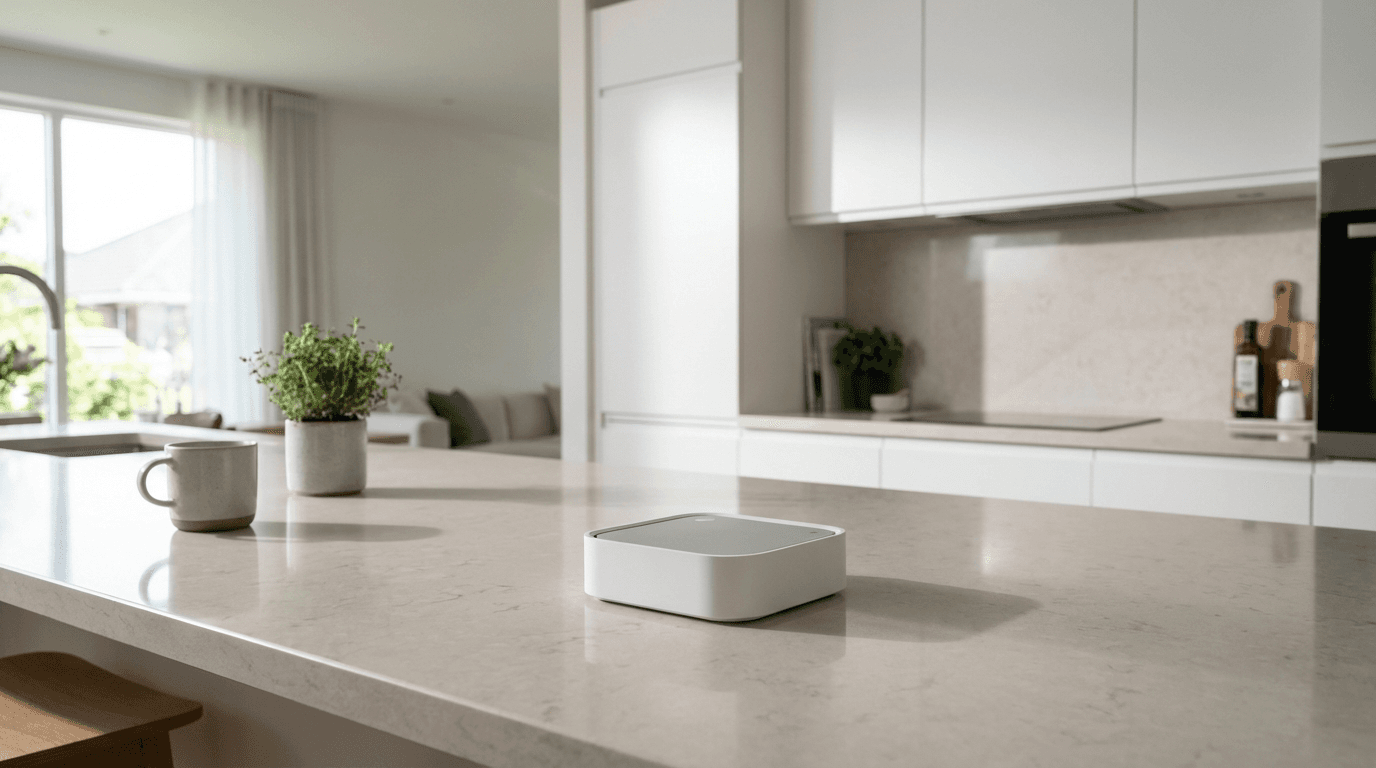
Samsung SmartThings Station in a smart home setting
Amazon Echo Hub
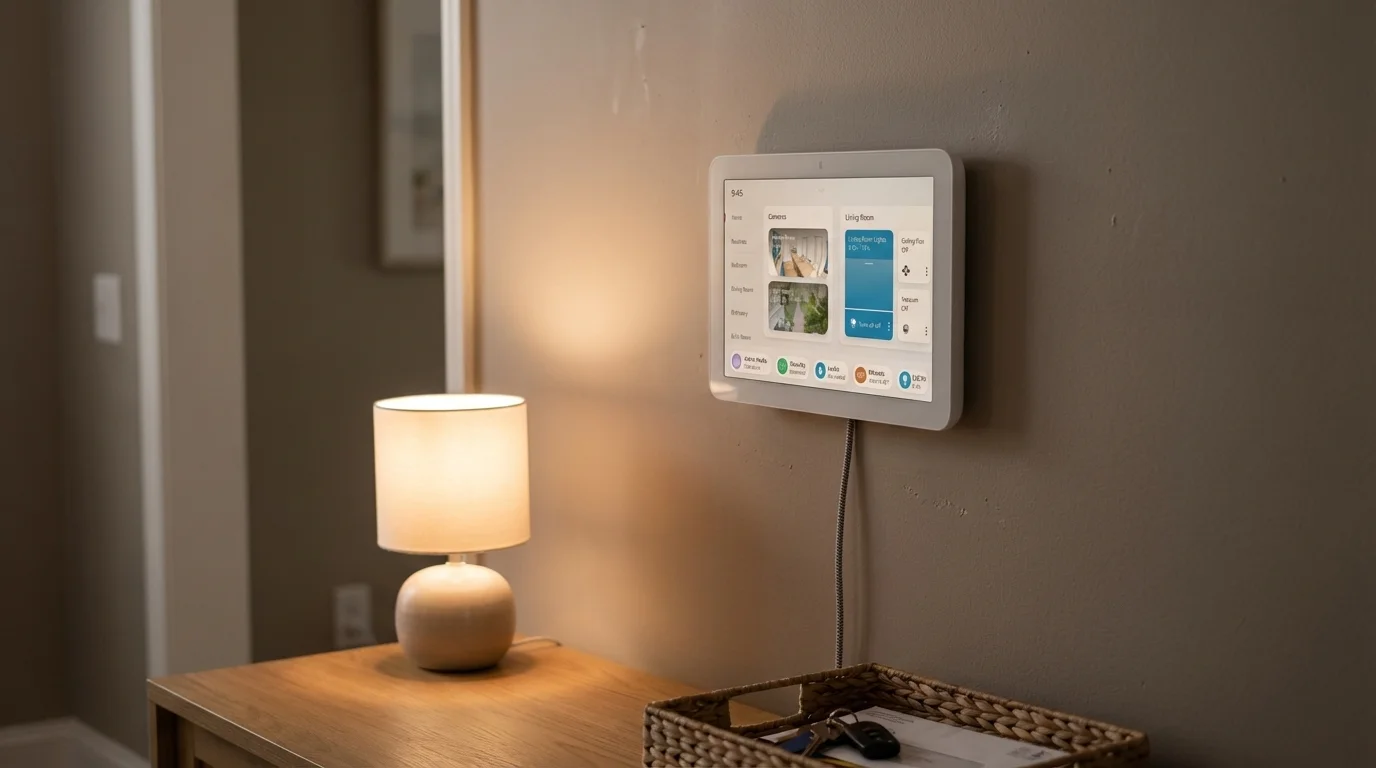
Amazon Echo Hub in a smart home setting

Best for Alexa appliance households

Amazon Echo Hub

8.8/ 10

$179.99 · Best for Alexa Appliance Households

Bottom line

Zigbee, Matter, and Thread in an 8" touchscreen hub with native Alexa voice control for LG, GE, Whirlpool, and Samsung appliances — zero setup friction, no dongles required.

For most US households, the Echo Hub is the most practical appliance hub available. Plug it in, open the Alexa app, and your compatible appliances are controllable by voice and automation within minutes.

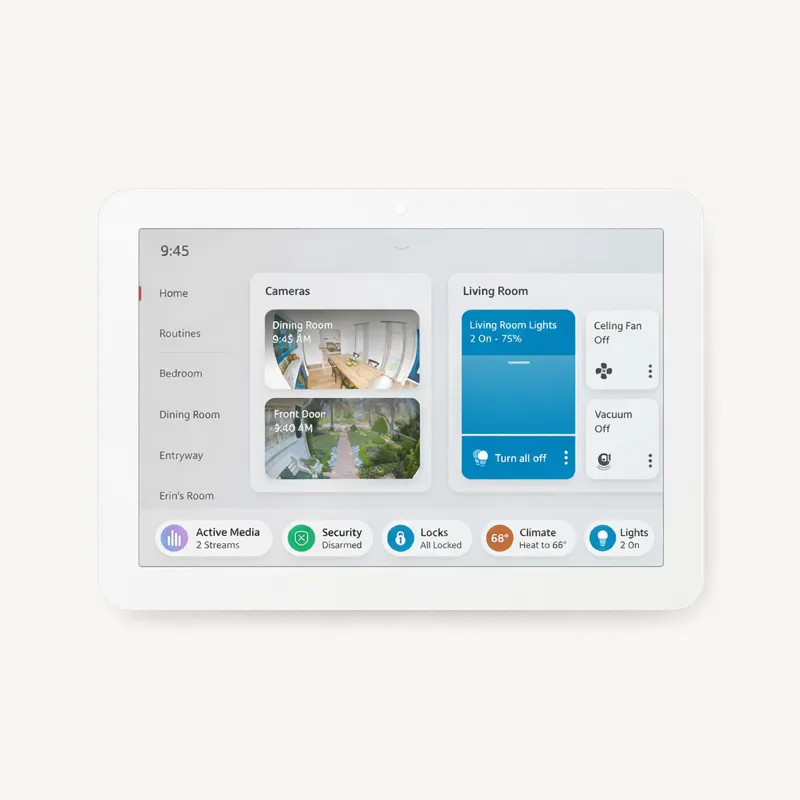
The Amazon Echo Hub brings Alexa's broadest appliance compatibility into a purpose-built smart home controller. The 8" touchscreen runs a dedicated smart home dashboard — not a general-purpose tablet — showing device states, scenes, and automations at a glance. The built-in Zigbee coordinator, Matter controller, and Thread border router mean it connects directly to a wide range of smart home devices without additional bridges.

For appliance control, Alexa's device library is the widest of any voice platform. LG ThinQ appliances (washers, dryers, refrigerators, dishwashers), GE Appliances, Whirlpool, and Samsung SmartThings-compatible appliances all connect via Alexa skill integrations. Ask Alexa to check if the washer is done, set a dryer notification, or trigger an "I'm leaving" routine that starts the dishwasher and locks the front door simultaneously.

The Zigbee radio handles sensors and accessories directly — temperature sensors, contact sensors on appliance doors, motion sensors for laundry room automations — without any additional hub. Matter support means next-generation appliances rolling out in 2025–2026 will pair natively. For households already in the Alexa ecosystem, there is no simpler path to connected appliance control.

Pros

  • Native Alexa integration with LG, GE, Whirlpool, and Samsung appliances out of the box
  • Built-in Zigbee + Matter + Thread — no separate radio dongles required
  • 8" dedicated smart home dashboard — device states and scenes always visible
  • Broadest appliance brand compatibility of any single-ecosystem hub
  • Works alongside existing Echo speakers and displays seamlessly

Cons

  • Alexa ecosystem only — no native Google Home or Apple HomeKit support
  • Cloud-dependent — automations require active internet connection
  • Non-Alexa appliances (Miele, Bosch, iRobot) need third-party skill bridging
Amazon Echo Hub specifications
ConnectivityZigbee, Matter, Thread (border router), Wi-Fi
Voice AssistantsAlexa (built-in)
Appliance BrandsLG ThinQ, GE, Whirlpool, Samsung SmartThings
Display8" HD touchscreen — dedicated smart home dashboard
Monthly FeeNone
Back to top

Multi-protocol picks

Best General Hubs for Smart Appliances

Need a hub that ties appliance control into broader home automation? These all-rounders combine appliance integration with Zigbee sensors, Matter devices, and whole-home automation.

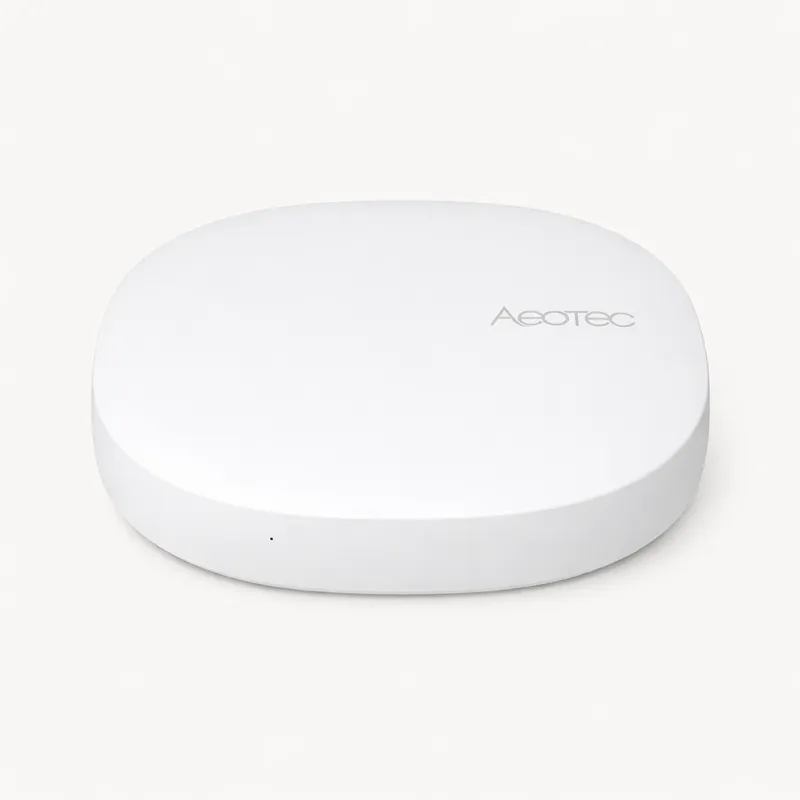
Aeotec Smart Home Hub
Best for Power Users

Aeotec Smart Home Hub

Aeotec

$149.99

The official SmartThings hub replacement — Zigbee, Z-Wave, and Matter in one box, running the same platform Samsung recommends.

power users

Pros

  • Zigbee, Z-Wave, and Matter in one hub — broadest protocol coverage at this price
  • Runs the SmartThings platform — the most powerful smart home app available
  • Local execution for supported devices — automations survive internet outages

Cons

  • No built-in Thread radio (Matter works over Wi-Fi/Ethernet only)
  • SmartThings app is powerful but notoriously complex for new users
Home Assistant Green
Best for DIY

Home Assistant Green

Nabu Casa

$99

The ultimate open-source hub — plug in, run Home Assistant, and integrate virtually every smart home device on the planet. No cloud. No subscription. No limits.

privacypower users

Pros

  • 3,000+ integrations — connects virtually every smart home platform, brand, and protocol
  • Fully local — automations run on-device with no cloud dependency
  • Native Matter controller and growing Thread support via USB radio dongle

Cons

  • No built-in wireless radio — Zigbee, Z-Wave, and Thread each require a separate USB dongle
  • Steep learning curve — YAML configs, developer-oriented UI, and a large feature surface
Homey Pro
Best for Large Homes

Homey Pro

Athom

$399

The most powerful hub on the market — supports every major protocol plus Infrared and 433MHz. Premium price for premium capability.

power usersprivacy

Pros

  • Supports Zigbee, Z-Wave, Thread, Matter, IR, and 433MHz in one device
  • Homey app is the best-designed hub app on the market
  • Full local processing — no cloud dependency

Cons

  • $399 price tag is a significant commitment
  • Overkill for smaller or simpler setups
Amazon Echo Hub
Best Overall

Amazon Echo Hub

Amazon

$179.99

The best all-round hub for Alexa households — easy setup, broad compatibility, and a genuinely useful 8" touchscreen.

rentersalexa

Pros

  • Built-in Zigbee and Matter radio — no separate hub needed
  • 8" touchscreen dashboard shows cameras, routines, and device controls
  • Works with 100,000+ Alexa-compatible devices

Cons

  • Alexa-only ecosystem — limited Google Home and HomeKit integration
  • Cloud-dependent; loses some features if internet goes down

Homey Pro stands out for appliance-specific apps covering Miele, Bosch, IKEA, and Dyson — rare breadth for a commercial hub. Amazon Echo Hub provides the easiest voice control for LG, GE, and Whirlpool appliances through Alexa's extensive manufacturer partnership library.

Complete your setup

Appliance Accessories That Pair Well

Roborock S8 Pro Ultra Robot Vacuum & Mop

Home AssistantAlexaSmartThings
Best robot vacuum with smart home hub integration

iRobot Roomba j9+ Self-Emptying Robot Vacuum

AlexaGoogleSmartThings
Best mainstream robot vacuum with smart scheduling

Kasa KP125M Matter Smart Plug (for appliance monitoring)

MatterEnergy monitoringAppliance triggers
Monitor appliance power draw — trigger notifications when done

Buyer's guide

Smart Appliance Connectivity Explained

From manufacturer cloud APIs to local device control — the protocols and standards that connect your appliances to your smart home hub.

Wi-Fi

Most smart appliances

Works standalone

The dominant connectivity standard for smart appliances. Wi-Fi appliances connect directly to your router and communicate via manufacturer cloud APIs — Samsung SmartThings, LG ThinQ, Bosch Home Connect. Most do not require a separate hub for basic control, but a hub enables cross-brand automation and local control.

Examples: Samsung Family Hub Fridge, LG ThinQ Washer, Bosch Dishwasher, iRobot Roomba, Roborock S8

Zigbee

Sensors & accessories

Hub required

Used for wireless sensors that integrate with appliances — door sensors on laundry rooms, temperature sensors in refrigerators, presence sensors that trigger appliance automations. Low power, mesh network, requires a hub with a Zigbee radio. The SmartThings Station and Amazon Echo Hub are the most common Zigbee coordinators for appliance-focused setups.

Examples: Aqara door sensors, SmartThings multipurpose sensor, SONOFF motion sensors

Matter

Emerging appliance standard

Thread border router recommended

Major appliance brands are adding Matter support to new product lines. Matter appliances work across Alexa, Google, Apple, and Samsung simultaneously without ecosystem lock-in. Adoption is accelerating in 2025–2026 — expect Matter-certified washing machines, dishwashers, and HVAC from Samsung, LG, and Bosch.

Examples: Samsung Smart Appliances (2025+), LG ThinQ Matter devices, Haier Matter range

Local API

Advanced integrations

Hub required

Many smart appliances expose a local API accessible on your home network — enabling direct device control without cloud dependency. Home Assistant has native local integrations for Roborock (vacuums), Ecovacs (vacuums), and Samsung SmartThings-compatible appliances. Local API control is more reliable and faster than cloud-dependent integrations.

Examples: Roborock (local API via Home Assistant), Ecovacs (Home Assistant), LG ThinQ (HA local)

FAQ

Smart Appliances
FAQ

Find Your Best Hub

30-second quiz · free