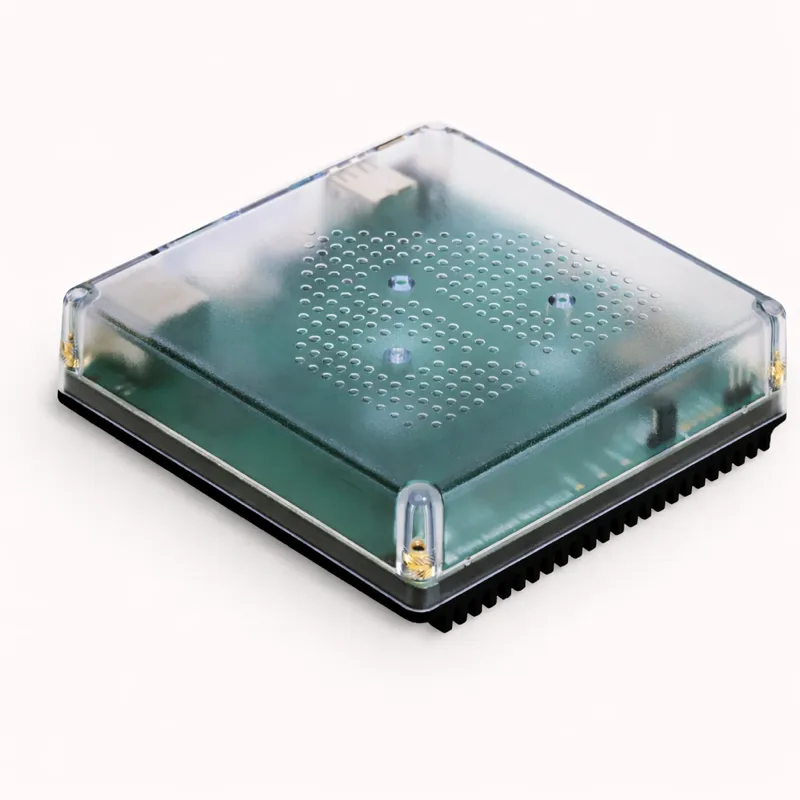
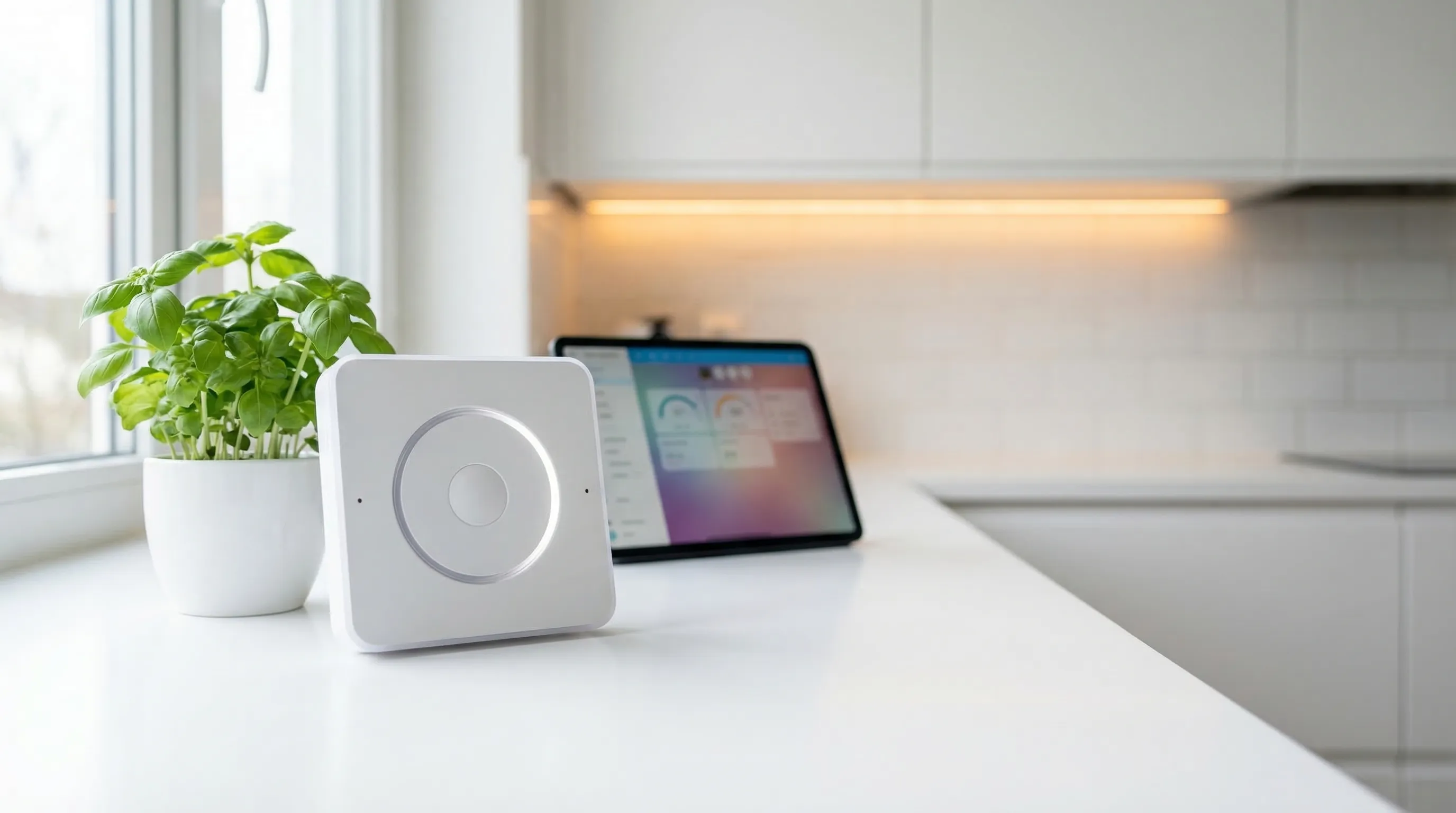
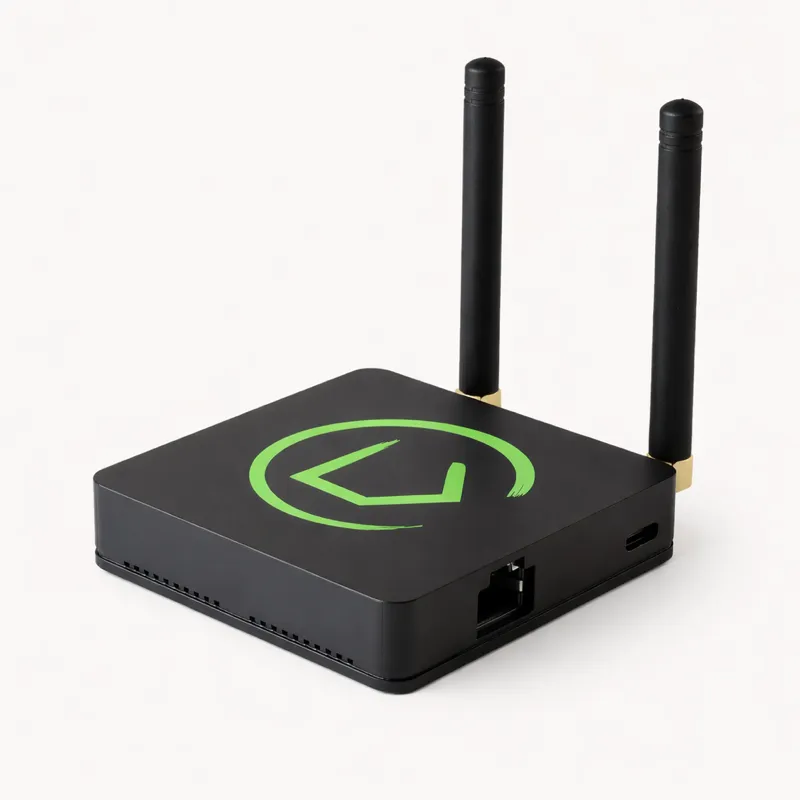
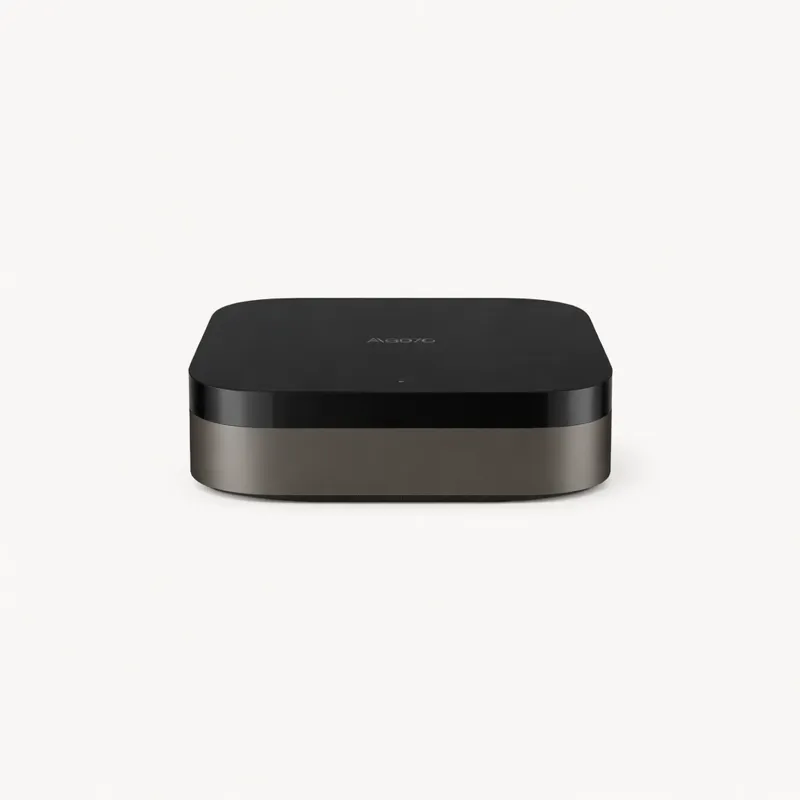
Home Assistant Green is the hub you buy when you want the answer to be "yes" to every future smart home question. The Green is a compact, fanless, plug-and-play device that runs Home Assistant OS — the open-source platform powering millions of smart homes worldwide and connecting virtually every smart home device, platform, and protocol through 3,000+ official integrations and tens of thousands of community add-ons. If a device exists that can be controlled from a smart home, there is almost certainly a Home Assistant integration for it.
The fundamental differentiator is software depth. Where the Echo Hub works best within the Alexa ecosystem and the Aqara M3 is optimised for HomeKit, Home Assistant treats every ecosystem with equal priority. Philips Hue, Shelly relays, Bosch thermostats, Lutron Caséta dimmers, Ring cameras, Nest thermostats, IKEA TRÅDFRI, Sonos speakers, and Tesla vehicles can all coexist in a single unified Home Assistant dashboard — with automation logic that cross-references data from all of them simultaneously. That cross-platform automation depth is architecturally impossible on any single-vendor platform.
The energy monitoring capabilities deserve specific mention. Home Assistant has developed into the most comprehensive home energy platform available in a consumer product. Connect a smart meter bridge, a solar inverter API, individual plug-level power monitoring devices, and EV charging stations, and Home Assistant builds a complete picture of your home energy flow — where power is being used, when electricity prices are cheapest, and which automations can save you money. For households with solar panels, home batteries, or time-of-use electricity tariffs, Home Assistant's energy features go well beyond what any competing hub offers.
Dashboard customisation is another area where Home Assistant has no peer. The Lovelace dashboard system lets you design a completely custom control interface — grid layout, custom cards, live graphs, floorplan overlays with device state indicators, energy flow visualisations — built to your exact specification. Users have built dashboards that look like commercial building management systems, tablet-mounted wall panels comparable to dedicated hardware products, and mobile-first interfaces optimised for quick control from anywhere. The result is a smart home interface that reflects your actual home and workflow.
The automation engine — YAML-based in its core form, with a visual automation editor for most use cases — supports logic that goes beyond any consumer platform. Trigger on sun elevation, entity state change, calendar event, webhook, MQTT message, or custom script output. Combine conditions with and/or logic, run parallel action sequences, call services with template-generated data, and integrate with external APIs. For technically capable users, this flexibility enables home automation scenarios that would be impossible in any closed platform.
The trade-offs are real. The Home Assistant Green has no wireless radios built in. Zigbee requires a USB dongle — the official HA Connect ZBT-1 is the recommended choice at around $20. Z-Wave requires a separate Z-Wave USB stick ($30–$40). Thread border routing requires another USB radio. For a setup running Zigbee plus Matter, expect to budget an additional $20–$40 beyond the base $99 price. The learning curve for Home Assistant is also steeper than any consumer hub — YAML configuration files, integration setup, add-on installation, and the sheer surface area of the platform require a meaningful time investment before everything clicks.
The Home Assistant community is one of the most active open-source communities in consumer technology. The community forums, Reddit communities, YouTube tutorial channels, and the official documentation collectively provide support resources that match or exceed commercial platforms. Nabu Casa — the company behind Home Assistant — employs full-time developers and sustains the platform through an optional Home Assistant Cloud subscription at $6.50/month, which provides remote access, voice assistant bridges, and Alexa/Google integration without self-hosting requirements. The subscription is genuinely optional; local network access works without it.
Home Assistant Green is the right answer for technically capable buyers who want the deepest integration library, the most flexible automation engine, and the most comprehensive energy monitoring available without subscription fees; households with devices across multiple ecosystems; privacy-conscious users who want fully local processing; and anyone willing to invest setup time for a platform that grows with them indefinitely. It is the wrong answer for smart home newcomers who want a plug-and-play experience, households without the time to invest in platform configuration, and buyers who want primarily voice-based control without a custom interface.